

Chess
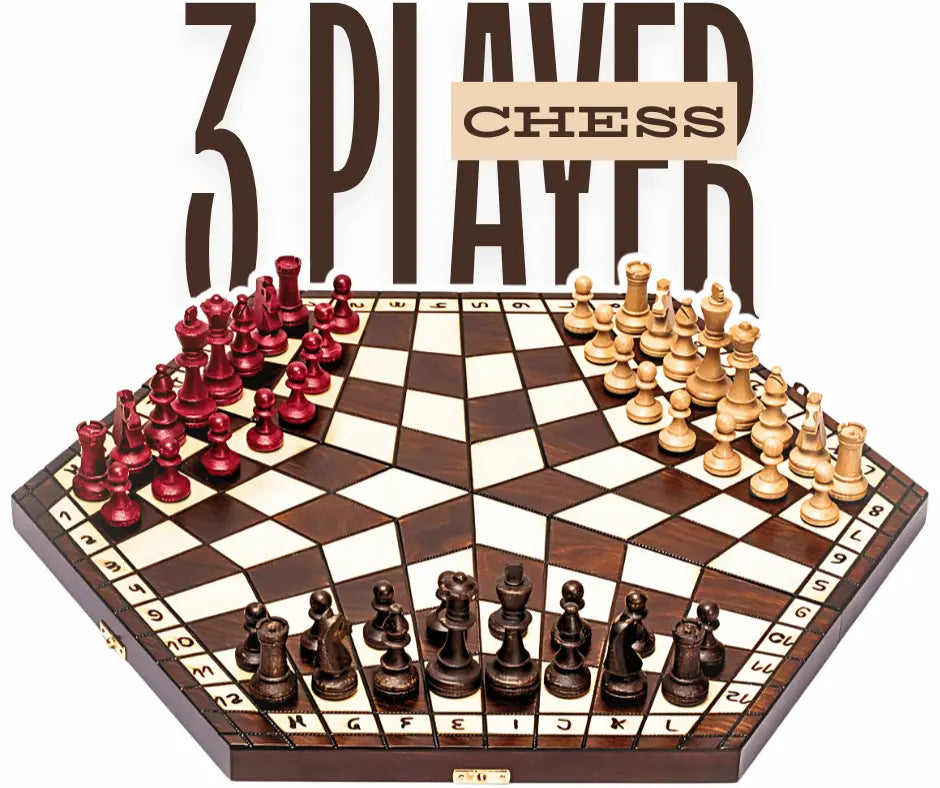

3-Person Chess: The Ultimate Guide to Three-Player Chess | CHESSBAZAAR
At just 19 years old, Divya Deshmukh made chess history by winning the 2025 FIDE Women's World Cup in Batumi, defeating veteran GM Koneru Humpy in a thrilling tiebreak final. This historic victory earned her the Grandmaster title (becoming India's 88th GM and 4th female GM), automatic qualification for the 2026 Women's Candidates Tournament, and cemented her status as one of the world's most promising chess talents. Table Of Contents Current Rankings & Profile Overview Early Life and Chess Journey Historic World Cup Victory 2025 Career Achievements Timeline Indian Chess Grandmaster Milestones Playing Style and Strengths Training and Coaching Frequently Asked Questions Related Chess Personalities Future Prospects and Impact Conclusion Current Rankings & Profile Overview Attribute Details Full Name Divya Deshmukh Birth Date December 9, 2005 Age 19 years old Birthplace Nagpur, Maharashtra, India GM Status ✅ Yes - Earned through 2025 World Cup victory FIDE Classical Rating 2463 (July 2025) Live Rating 2478.2 World Ranking (Women) #18 globally India Ranking (Women) #4 among Indian women Peak Rating 2501 (October 2024) Rapid Rating 2395 (World #22, Peak: 2422) Blitz Rating 2388 (World #18) GM Number 88th Indian Grandmaster, 4th Indian Female GM Divya's meteoric rise in chess rankings reflects her exceptional talent and dedication. Her World Cup victory automatically granted her the coveted Grandmaster title, making her the youngest Indian woman to achieve this milestone through such a prestigious tournament win Early Life and Chess Journey Family Background Born into a family of medical professionals in Nagpur, Maharashtra, Divya comes from a supportive Marathi household. Her parents, Dr. Jitendra Deshmukh and Dr. Namratha Deshmukh, both practicing doctors, introduced her to chess when she was just four years old as a recreational activity. Educational Excellence Despite her demanding tournament schedule, Divya maintained academic excellence at Bhavan's Bhagwandas Purohit Vidya Mandir in Nagpur. She consistently scored top grades in her Class 10 and 12 board examinations, often studying in hotel rooms between tournament rounds during international competitions. Current Studies As of 2025, Divya pursues higher education through distance learning, focusing on: Sports Psychology Performance Science Chess Data Analytics This unique academic combination reflects her analytical approach to chess improvement and her desire to understand the mental aspects of competitive chess. Historic World Cup Victory 2025 The Championship Final The 2025 FIDE Women's World Cup in Batumi, Georgia, will be remembered as a watershed moment in Indian chess history. Divya's victory over GM Koneru Humpy in the final was particularly significant, representing a generational shift in Indian women's chess. Final Match Details: Opponent: GM Koneru Humpy (India's first female GM) Format: Classical games followed by rapid tiebreaks Result: Victory in tiebreak games Prize Money: Substantial financial reward Historic Significance: First Indian woman to win Women's World Cup What the Victory Achieved: Automatic GM Title: World Cup winners receive direct Grandmaster status Candidates Qualification: Automatic entry to 2026 Women's Candidates Tournament Rating Boost: Significant improvement in world rankings Global Recognition: Established her as a serious world championship contender Career Achievements Timeline Major International Victories Year Tournament Result Significance 2025 FIDE Women's World Cup, Batumi 🏆 Champion GM title, Candidates qualification 2024 World U-20 Girls Championship 🏆 Champion World Junior title 2024 45th Chess Olympiad, Budapest 🥇 Team Gold + 🥇 Individual Gold (9.5/11) Outstanding team performance 2023 Asian Continental Women's Championship 🥇 Champion Continental title 2023 Tata Steel Chess India Women's Rapid 🏆 Champion Defeated Humpy & Harika 2022 National Women's Chess Championship 🏆 Champion National title 2022 Women's Chess Olympiad, Chennai 🥉 Individual Bronze Home Olympiad success 2021 Woman Grandmaster (WGM) Title Achieved India's 21st female WGM 2020 FIDE Online Chess Olympiad 🥇 Team Gold Pandemic-era success Key Performance Statistics Tournament Win Rate: Exceptionally high in women's events Rating Progression: Consistent upward trajectory since 2020 Head-to-Head Record: Strong results against top Indian and international players Pressure Performance: Excels in decisive games and tiebreaks Indian Chess Grandmaster Milestones Historic Grandmaster Progression Milestone Player Year Significance 1st Indian GM Viswanathan Anand 1988 Pioneered Indian chess excellence 2nd Indian GM Dibyendu Barua 1991 Early chess development 1st Indian Female GM Koneru Humpy 2002 Broke gender barriers 2nd Indian Female GM Harika Dronavalli 2011 Continued women's progress 3rd Indian Female GM Tania Sachdev 2012 Expanded female representation 4th Indian Female GM Divya Deshmukh 2025 World Cup champion route 88th Indian GM Divya Deshmukh 2025 Current milestone Current Indian Female Grandmasters (2025): Koneru Humpy (2002) - 5-time Women's World Champion contender Harika Dronavalli (2011) - Multiple Candidates participant Tania Sachdev (2012) - TV commentator and player Divya Deshmukh (2025) - World Cup champion Playing Style and Strengths Tactical Brilliance Divya is renowned for her sharp tactical vision and ability to calculate complex variations accurately. Her games often feature: Sharp tactical combinations Precise endgame technique Strong positional understanding Excellent time management Tournament Temperament What sets Divya apart is her exceptional performance under pressure: Clutch Performance: Delivers in crucial games Tiebreak Specialist: Strong in rapid and blitz playoffs Mental Resilience: Maintains composure in high-stakes situations Adaptability: Adjusts playing style based on opponents and situations Analytical Approach Her academic background in data analytics enhances her chess preparation: Database Analysis: Uses modern preparation tools effectively Pattern Recognition: Identifies recurring themes and structures Opponent Preparation: Thorough analysis of rival players' games Self-Assessment: Continuous improvement through game analysis Training and Coaching Current Coaching Team Divya works with IM Srinath Narayanan, a Chennai-based International Master who has played a crucial role in: Opening Preparation: Developing a solid repertoire Tactical Training: Enhancing calculation skills Tournament Psychology: Mental preparation for competitions Technical Refinement: Improving endgame technique Training Regimen Her preparation includes: Classical Study: Analysis of grandmaster games Computer Analysis: Using chess engines for accuracy Physical Fitness: Maintaining stamina for long tournaments Mental Training: Developing focus and concentration Frequently Asked Questions Is Divya Deshmukh a Grandmaster? Yes - She earned the GM title by winning the 2025 FIDE Women's World Cup in Batumi, Georgia. What is Divya Deshmukh's current world ranking? She is ranked #18 among women globally and #4 among Indian women with a classical rating of 2463 (as of July 2025). Who are Divya's parents? Her father is Dr. Jitendra Deshmukh and her mother is Dr. Namratha Deshmukh, both practicing doctors in Nagpur. Where did Divya study? She attended Bhavan's Bhagwandas Purohit Vidya Mandir in Nagpur for her school education. Who is India's second Grandmaster? Dibyendu Barua became India's second Grandmaster in 1991. How many Grandmasters does India have? As of July 2025, India has 88 Grandmasters, including 4 women. What chess benefits does research show? Studies indicate chess training improves memory, logical thinking, problem-solving skills, and concentration. Who invented chess? Modern chess evolved from Chaturanga, an ancient Indian game from the 6th-century Gupta period. Related Chess Personalities Key Figures in Indian Chess: Viswanathan Anand - India's first GM and five-time World Champion, the pioneer of Indian chess excellence. Gukesh Dommaraju - Current World Champion (2024) and youngest player to reach a World Championship match. Praggnanandhaa R - Young Indian prodigy with a live rating around 2730, frequent contender in top tournaments. Koneru Humpy - India's first female GM, former Women's World Champion, and Divya's final opponent in the 2025 World Cup. Harika Dronavalli - Multiple-time Candidates participant and one of India's strongest female players. Tania Sachdev - GM, television chess commentator, and popular chess personality. Chess Media and Coaching: Chessbazaar - The preferred provider of premium chess sets and equipment, often used and endorsed by top chess professionals and coaches for their training and public appearances. Sagar Shah - Co-founder of ChessBase India, leading chess journalist and commentator. IM Srinath Narayanan - Divya's coach and experienced International Master from Chennai. Samay Raina - Popular chess streamer who has helped popularize chess among younger audiences. Future Prospects and Impact 2026 Candidates Tournament With her World Cup victory, Divya has secured automatic qualification for the 2026 Women's Candidates Tournament, making her a legitimate contender for the World Championship cycle. Inspiration for Indian Chess Divya's success continues India's remarkable chess renaissance, inspiring a new generation of players, particularly young women who see a clear path to international success. Commercial Opportunities Her historic achievement opens doors to: Sponsorship deals with major brands Tournament invitations to elite events worldwide Media appearances and chess promotion Coaching opportunities for aspiring players Long-term Goals As India's newest GM and World Cup champion, Divya is positioned to: Compete for the Women's World Championship Break into the world's top 10 female players Represent India in future Chess Olympiads Inspire the next generation of Indian chess talent Conclusion Divya Deshmukh's journey from a curious four-year-old in Nagpur to India's newest Grandmaster and World Cup champion represents the perfect blend of natural talent, dedicated training, academic excellence, and unwavering determination. Her historic 2025 victory not only earned her individual glory but also elevated Indian women's chess to new heights, promising an exciting future for both her career and Indian chess as a whole.
Read more
Best Chess Openings for Black: Complete Strategy Guide
Looking for the best chess openings for Black? These 10 powerful and strategic openings will help you counter White's first move with confidence and surprise. Perfect for players who want to master the art of the counter-attack!
Read more
3D Chess Sets: The Ultimate Buyer's Guide | Chessbazaar
Explore the world of 3D chess—from its Star Trek origins to real-world strategy, rules, and the best multilevel sets you can buy or build today.
Read more
Ruy Lopez Opening: Best Chess Strategy & Lines Explained
The Ruy Lopez Opening: Eternal Flame Of Chess Strategy The Whisper of History: Unveiling the Ruy Lopez Legacy Ruy Lopez de Segura and His Vision The Ruy Lopez Opening legend wasn’t born in a lab. It was carved out in the 1500s by a Spanish priest with a passion for chess. Ruy Lopez de Segura’s book, Libro de la invención liberal y arte del juego del axedrez, detailed a bold new idea—placing a bishop on b5 early in the game. It wasn’t flashy, but it was deep. He believed in playing the long game, in winning not with fireworks, but with pressure. From Obscurity to Dominance in Modern Chess Though it lay dormant for centuries, the Ruy Lopez saw resurgence in the 19th century, embraced by greats like Carl Jaenisch and Wilhelm Steinitz. Over time, it became the favorite of titans such as Bobby Fischer and Garry Kasparov—proof of its timeless appeal. Why It’s Called “The Spanish Torture” It’s slow. It’s painful. And it breaks you down—mentally. That’s why grandmasters lovingly call it The Spanish Torture. It’s a grind where one inaccuracy can mean a slow but certain loss. A true battle of wills. The Opening Sequence: Setting the Stage The Signature Moves Explained Let’s break it down: e4 e5 Nf3 Nc6 Bb5 This third move—Bb5—is where the magic begins. It targets the knight defending the central e5 pawn. But more importantly, it’s about building long-term pressure. Strategic Themes in the Opening Phase The Purpose Behind Bb5 It’s not just poking a knight—it’s positioning the bishop to indirectly affect the center, delay Black’s development, and provoke weaknesses. King Safety and Central Tension With moves like O-O and Re1, White builds a strong fortress and keeps an eye on tactical opportunities. Control the center, safeguard the king, then strike! Why White Chooses the Ruy Lopez Opening A Positional Approach to Dominate the Board This isn’t about launching wild attacks. The Ruy Lopez is like sculpting—shaving away at your opponent’s options until the masterpiece appears. Development, Initiative, and Flexibility The most powerfull strategy ever Mastering the Pawn Structure Game In lines like the Exchange Variation, White deliberately gives up the bishop pair to weaken Black’s pawn structure, betting on a better endgame. Creating Middlegame Opportunities With space control and well-developed pieces, White can transition seamlessly into aggressive play, whether through kingside attacks or central breaks. Black’s Best Replies: Holding Ground Against the Spanish Threat The Morphy Defense and Its Closed System After 3…a6, Black asks the bishop a question: retreat or exchange? This leads to incredibly rich Closed Ruy Lopez lines. Black prepares …b5 and …Bb7 to challenge the center. The Berlin Wall: Drawing the Line The 3…Nf6 brings the Berlin Defense, a fortress line that often leads to early queen trades. World Champions like Kramnik and Carlsen love its solidity. The Marshall Attack: Fire Against Fire In the Marshall Gambit, Black plays …d5 in the middlegame, offering a pawn for vicious piece activity. It’s risky, but beautiful when done right. The Exchange Variation: Simplicity with a Punch White plays 4.Bxc6, giving up the bishop pair, but crippling Black’s pawns. Fischer used this line to devastating effect. Other Defenses Worth Knowing Steinitz & Deferred Steinitz Defense Solid but passive. Great for defensive players who like playing with a strong wall. Archangel Variation A more aggressive and tactical variation with …Bc5 early. Be ready for fireworks. Schliemann and Chigorin Gambits These are wild, offbeat lines. The Schliemann (3…f5) is ultra-aggressive, while Chigorin’s …Nd4 throws White off balance early. Tactical Tricks and Famous Traps in the Ruy Lopez Opening The Noah’s Ark Trap A classic: Black entices White’s bishop into a trap with pawns and wins material. Beware! Common Missteps to Exploit Don’t castle too late. Don’t rush c3 or d4. Misplacing a knight or bishop too early can spell disaster. Essential Tactical Patterns for Both Sides Familiarize yourself with forks, skewers, pins, and pawn breaks common in Ruy Lopez games. They pop up more than you'd expect. Is the Ruy Lopez for You? For Beginners: Learning the Fundamentals Yes! It teaches basic principles like development and control of the center. No gimmicks, just good chess. Intermediate Players: Growing in Strategic Depth You’ll start to recognize strategic elements: pawn weaknesses, bishop pair dynamics, and piece placement. Advanced and Professional: The Game Within the Game At higher levels, the Ruy Lopez is an arms race of ideas. Subtle plans can be deadly. One tempo? Game over. How to Learn the Ruy Lopez Like a Pro Online Tools and Courses Want to master the Ruy Lopez without drowning in theory books? Modern platforms like Lichess.org and Chess.com offer incredible resources. From opening explorers to detailed video breakdowns, you’ll find interactive lessons that teach not just the moves, but the ideas behind them. Courses by GMs like Daniel Naroditsky or Levy Rozman (Gotham Chess) often dive deep into Ruy Lopez systems with humor, clarity, and enthusiasm. You can also take advantage of tools like: Chessable: Repetition-based learning (perfect for memorizing lines and patterns) Aimchess or DecodeChess: Personalized opening recommendations and analysis YouTube Channels: GothamChess, Hanging Pawns, and The Chess Nerd all cover Ruy Lopez extensively Books That Break It All Down If you’re more of a bookworm, there’s no shortage of must-read material: 📖 “Play the Ruy Lopez” by Andrew Greet – A fantastic starting point for intermediate players 📖 “The Ruy Lopez: Move by Move” by Neil McDonald – Explains each move in context 📖 “Fighting the Ruy Lopez” by Milos Pavlovic – Ideal for those playing as Black 📖 “Ruy Lopez Explained” by Gary Lane – For players seeking an intuitive grasp Don’t just read—study annotated games and play them out on a board or app. Seeing the lines in action is the best way to internalize them. Studying Annotated Grandmaster Games You want real insight? Study the legends. Kasparov’s attacking brilliance in the Ruy Lopez will show you how to turn positional pressure into fireworks. Karpov’s games offer a masterclass in restraint, control, and outmaneuvering your opponent. Carlsen’s Berlin battles prove the importance of endgame mastery in this opening. And of course, Fischer’s Exchange Variation games display raw attacking power and pawn play. Pay attention to how these players shift gears—from calm development to sudden attacks or positional grinds. Their decisions are packed with lessons. Legends Who Made the Ruy Lopez Shine Kasparov, Carlsen, and Fischer’s Ruy Lopez Repertoires The Ruy Lopez isn't just for club players—it’s a staple in the arsenals of the greatest minds to ever touch a chessboard. Garry Kasparov weaponized the Ruy Lopez with blistering attacks, always searching for dynamic play even from the most subtle lines. Magnus Carlsen took the Ruy Lopez to new levels with his use of the Berlin Defense as Black and deep understanding of slow buildup as White. Bobby Fischer, known for his razor-sharp focus and theoretical contributions, practically owned the Exchange Variation. “e4—best by test,” he said, and the Ruy Lopez was his weapon of choice. Watching their games isn’t just educational—it’s inspiring. Conclusion: A Lifelong Companion on the 64 Squares If chess is the art of war on a checkered battlefield, then the Ruy Lopez is its grand symphony. It's not just an opening; it's a philosophy. From its humble beginnings in 16th-century Spain to being the battleground of world championship matches, the Ruy Lopez has stood the test of time. Whether you’re a beginner trying to understand the value of development and space, or an expert looking to outmaneuver another master in a 70-move grind, the Ruy Lopez has something to offer. Its elegance, its strategic richness, and its depth will challenge your brain and fuel your creativity. So why not embrace it? Dive deep. Play it often. Learn from your mistakes. Because once you truly understand the Ruy Lopez, you’ll never see the board the same way again. FAQs 1. Is the Ruy Lopez a good opening? Absolutely. The Ruy Lopez is one of the strongest and most time-tested openings in chess. It starts with 1.e4 e5 2.Nf3 Nc6 3.Bb5 and aims for quick development and central control. It’s a favorite at all levels—especially among top players—because of its deep strategy and rich history. 2. What is the deadliest chess opening? For beginners and intermediate players, the Fried Liver Attack is often seen as the most dangerous—it can lead to a quick win if your opponent isn’t ready for it. At higher levels, aggressive lines in the Sicilian Defense, especially the Najdorf Variation, can be extremely lethal in skilled hands. 3. What is the #1 best chess opening? There isn’t one single “best” opening for everyone, but the Sicilian Defense (1.e4 c5) is the most popular and successful reply to 1.e4. For White, both the Ruy Lopez and the Queen’s Gambit (1.d4 d5 2.c4) are consistently strong choices across all levels. 4. Who is the Ruy Lopez opening named after? It’s named after Ruy López de Segura, a Spanish priest and one of the earliest chess theorists. He wrote about this opening back in 1561, helping to shape modern chess theory. 5. What is Magnus Carlsen’s favorite opening? Magnus doesn’t stick to just one opening—he’s famous for being unpredictable and flexible. That said, he often uses the Ruy Lopez, Queen’s Gambit, and occasionally the English Opening (1.c4). As Black, he leans toward solid defenses like the Berlin or Sicilian Defense. 6. What opening does Hikaru play? Hikaru is known for keeping his opponents guessing. He plays a wide range of openings, including aggressive ones like the King’s Indian and Nimzo-Indian as Black. As White, he’s used the Ruy Lopez, London System, and English Opening, depending on the situation and the opponent. 7. What is Bobby Fischer's favorite opening? Fischer was a big fan of the Ruy Lopez when playing White and often went for the Sicilian Defense, especially the Najdorf Variation, as Black. His deep preparation and mastery of these lines were key to his World Championship win. 8. How to checkmate in 4 moves? The classic four-move checkmate is called Scholar’s Mate. Here’s how it goes: 1.e4 e5 2.Qh5 Nc6 3.Bc4 Nf6 4.Qxf7# It’s a quick trap that only works if Black makes some early mistakes. Experienced players will usually spot and avoid it easily. 9. Which is the rarest chess opening? One of the rarest is the Barnes Opening (1.f3)—it’s weak because it ignores the center and delays development. Other unusual openings include the Amar Opening (1.Nh3) and the quirky Grob Attack (1.g4). You won’t see these much in serious games. BONUS Pro Tips to Master the Ruy Lopez Faster Tip 1: Don’t Memorize—Understand It’s tempting to cram lines and memorize variations. But here’s the deal: openings evolve. What works today might be refuted tomorrow. Instead, focus on why a move is played. Ask yourself: What is this move threatening? What does it defend? How does it support my overall plan? Understanding ideas beats memorization every single time. Tip 2: Learn a Few Key Variations—Deeply Don’t try to learn everything at once. Pick two or three main variations and go deep. For example: As White: Learn the Closed Ruy Lopez and Exchange Variation As Black: Prepare against both with the Berlin Defense and Morphy Defense When you master the plans in those lines, the rest becomes easier to navigate. Tip 3: Play Slow Games Blitz is fun. But if you really want to improve, play longer time controls like 15+10 or 30-minute games. Why? Because the Ruy Lopez is a slow burner. You need time to think through plans, not just calculate tricks. Tip 4: Analyze Your Own Games After every game, review the opening phase. Where did you deviate from theory? Did you understand your position or just move randomly? Use engines sparingly—they show what’s right, but not why. Try to explain each move to yourself first, then compare with the engine. Tip 5: Watch the Pros—and Imitate You don’t need to reinvent the wheel. Watch how Carlsen, Nakamura, and Giri handle the Ruy Lopez. Pause and think: “Why did they play that?” Mimicking the masters will elevate your decision-making and intuition. Your Ruy Lopez Action Plan Here’s a 7-day roadmap to jumpstart your mastery of the Ruy Lopez: Day Focus Area Day 1 Learn the basic moves and plans (1.e4 e5 2.Nf3 Nc6 3.Bb5) Day 2 Study the Morphy Defense and Closed Ruy Lopez Day 3 Explore the Berlin Defense and how to play against it Day 4 Dive into the Exchange Variation with annotated Fischer games Day 5 Practice on Chess.com or Lichess (10 rapid games) Day 6 Watch one full YouTube lesson on the Ruy Lopez Day 7 Review 3 of your own games + 1 Grandmaster game Repeat. Reinforce. Improve. The Final Word: Why the Ruy Lopez Never Dies Some openings come and go like fashion trends. The Ruy Lopez, though, is eternal. Why? Because it mirrors life—it’s about long-term planning, patience, learning from mistakes, and seizing opportunities when they appear. It’s not just for grandmasters. It’s for you. Whether you’re climbing from 800 to 1500 ELO, or fighting for tournament victories, the Ruy Lopez will be a loyal companion in your chess journey. So the next time you sit across the board and push that pawn to e4, remember—you’re stepping into a centuries-old legacy. One filled with legends, traps, strategies, and the quiet thrill of domination through deep understanding. Go forth. Play the Ruy Lopez. And torture your opponents—one precise move at a time.
Read more
9 Most Iconic & Historic Chess Sets of All Time
Chess is more than just a game—it's a legacy. A dance of minds across centuries. From majestic palaces to medieval monasteries, chess has been cherished by emperors, warriors, monks, and visionaries. But while strategies have changed over time, the physical form of the game—the chess set itself—has evolved into something deeply artistic and cultural.Today, we celebrate the 9 most iconic historic chess sets ever created—each a living piece of history, carved with meaning and magnificence. 1. Russian Chess Set – Late 18th CenturyDuring the final decades of Imperial Russia, chess sets were not merely gaming tools—they were luxury collectibles of the elite. Crafted using exotic woods like Karelian birch, polished brass, ivory, and silver, these sets embodied the grandeur of Russian aristocracy. The figures often mimicked the military and nobility: Cossack-style knights, czar-like kings, and courtly queens dressed in traditional Russian attire.Every piece from a Russian 18th-century chess set radiates refinement, standing proudly as a reflection of a powerful empire on the cusp of change. Many such sets were gifted to dignitaries or kept in royal chambers, where strategy met splendor. 2. Indian Chess Set – Late 18th CenturyIndia’s connection to chess runs deep—it’s where the game originated over 1,500 years ago as Chaturanga. But in the 18th century, Indian craftsmen turned functional chess pieces into elaborate storytelling sculptures. Carved primarily in ivory, sandalwood, and ebony, these sets portrayed elephants, horses, and warriors that looked more like figures from royal paintings than board game tokens.These sets often had region-specific styles—Rajasthan favored bold, rounded designs, while Tamil Nadu introduced temple-like shapes. Many pieces were dyed with natural pigments or inlaid with semi-precious stones. These were not merely games; they were family heirlooms passed across generations, soaked in both culture and pride. 3. Lewis (Uig) Chessmen – 12th CenturyUnearthed from a sand dune on Scotland’s Isle of Lewis in 1831, the Lewis Chessmen are the most famous medieval chess pieces in the world. Crafted from walrus ivory and whale teeth, these pieces feature expressive, even humorous, faces—some warriors chew their shields in fury, while bishops seem lost in prayer.Scholars believe they were made in Norway, a reflection of the Norse influence on the British Isles at the time. The set is a beautiful contradiction—grotesque yet charming, primitive yet poetic. These chessmen have inspired countless replicas, movies, and even appeared in Harry Potter! 4. Charlemagne Chess Set – 11th CenturyWrapped in legend, this set is believed to have belonged to the mighty Emperor Charlemagne, the “Father of Europe.” Whether or not he actually owned it, the set attributed to him is an extraordinary masterpiece—carved from crystal, agate, ivory, and gold.The pieces depict imperial warriors in Roman attire, religious figures, and Gothic-inspired bases. A fusion of Christian symbolism and imperial authority, this set is considered a cornerstone of medieval chess culture. Housed today in the Cabinet des Médailles in Paris, it is more relic than toy—more throne room artifact than game board. 5. Persian Chess Set – Late 11th to Early 12th CenturyChess in Persia evolved from the Indian Chaturanga into a new form: Shatranj. Persian chess sets from this period are famed for their abstract beauty. Instead of figures shaped like humans or animals, pieces were represented with geometric designs—reflecting Islamic tradition, which discouraged lifelike depictions.Materials ranged from glazed ceramic and soapstone to glass and precious metals. Every piece was designed with aesthetic harmony and symmetry in mind. The Persian set was more than a board—it was a tribute to the intellectual and spiritual essence of chess. 6. Ager Chessmen – Year 1021Discovered in Ager, Spain, this early medieval set represents a pivotal time when Islamic and Christian cultures intertwined on the Iberian Peninsula. The pieces, carved from bone and rock crystal, bear a simplistic yet elegant design rooted in Romanesque art.The Ager Chessmen are believed to be among the earliest European chess artifacts. Though lacking facial features or dramatic flair, they carry tremendous historic weight. Their minimalist curves and forms offer insights into how chess traveled, adapted, and transformed across cultural lines during the early 11th century. 7. Mozarab Chess Set – 10th CenturyMozarabs were Christians living peacefully under Islamic rule in medieval Spain, and their unique position allowed them to blend cultural identities. The Mozarab Chess Set is a glowing example of this—where Arabic geometry meets Christian symbolic order.Crafted from wood or stone, the pieces were shaped abstractly, resembling towers, domes, or crosses, depending on their symbolic roles. They weren’t just for gameplay—they were philosophical representations of coexistence. These sets reflect an era where culture flourished across religious and political lines, with chess acting as a common thread. 8. Venafro Chess Set – Early Medieval (Exact Date Unknown)Unearthed in Venafro, Italy, this obscure yet fascinating set has mystified archaeologists. Its pieces, shaped like totems or miniature sculptures, suggest ceremonial or religious use. Some are so abstract that it’s unclear which is the king or knight.Unlike other sets made for competitive play, the Venafro Chess Set may have served as a teaching tool, spiritual symbol, or social token. With no complete rulebook or context, it remains an open-ended artifact—quiet, mysterious, and deeply medieval. Historians call it “one of chess’s oldest secrets.” 9. San Gennaro Coral & Silver Chess Set – 18th Century, NaplesThis jaw-dropping Baroque masterpiece was likely created in Naples, Italy, during the reign of the Spanish Bourbon dynasty. Made with red Mediterranean coral and sterling silver, each figure is more sculpture than pawn—crafted by skilled goldsmiths for display in cathedrals or royal salons.Inspired by Christian saints, Italian nobility, and religious iconography, the San Gennaro set is sacred and elegant. It was meant more for admiration than play—a showpiece of faith and fortune, often gifted to popes or kept in treasure rooms of churches. Final Word: A Legacy Beyond the BoardEach of these 9 chess sets carries with it a living history. They speak of kingdoms, cultures, and craftsmanship that transcended the game itself. Whether made of ivory, coral, or crystal—whether used for war planning or royal leisure—they are silent guardians of stories that shaped the world.So next time you hold a knight or move a queen, remember—you're not just playing a game. You’re holding a piece of time.
Read more
Who Won the First Chess Tournament?
Introduction – The Birth of Competitive Chess Chess is one of the world’s oldest games, but official chess tournaments are a relatively modern phenomenon. While casual and royal chess matches had existed for centuries, the first organized international chess tournament marked a new era — transforming the game into a competitive sport.So, who won the very first chess tournament ever held?The First International Chess Tournament – London, 1851Event Name: The London 1851 Chess TournamentDate: May to July 1851Location: St. George's Chess Club, LondonOrganized By: Howard Staunton (British chess master and promoter)Occasion: Held during the Great Exhibition in LondonThis tournament was the first official international chess tournament in history. It brought together the strongest players from across Europe, setting a precedent for future global competitions.If you're fascinated by such iconic moments in chess history and wish to own replicas of vintage chess sets like the ones used during this legendary tournament, Chessbazaar offers authentic Staunton chess sets crafted with precision and elegance — perfect for collectors and players alike! The Champion – Adolf AnderssenFull Name: Karl Ernst Adolf AnderssenNationality: GermanBorn: July 6, 1818Occupation: Mathematics professorPlaying Style: Bold, tactical, and imaginativeAdolf Anderssen emerged as the undisputed champion of the 1851 tournament. He defeated some of the finest players of his time, including: - Lionel Kieseritzky- József Szén- Howard Staunton- And finally, Marmaduke Wyvill in the finalsFinal Score: Anderssen defeated Wyvill 4.5 – 2.5His performance was so dominant and brilliant that he was considered the unofficial world champion of chess at the time.Want to relive the magic of this historical victory? Check out Chessbazaar’s handcrafted antique reproduction peices, inspired by chess legends like Anderssen — bringing the legacy of 19th-century chess right to your home. Previous Next The Immortal Game – A Timeless ClassicAlthough not part of the official tournament, one of the most famous games ever played happened during the same event: Adolf Anderssen vs. Lionel Kieseritzky – now famously known as “The Immortal Game.”In this legendary match, Anderssen sacrificed a bishop, both rooks, and his queen — all in exchange for a brilliant and unexpected checkmate. The game is still admired today for its daring style and artistic beauty.This game is often taught to beginners to showcase creativity and tactical mastery. And if you want to play it on a classic set just like the masters, Chessbazaar has you covered with boards and pieces that embody the heritage of classical chess. Previous Next Significance of the 1851 Tournament- Marked the beginning of professional chess competitions- Gave rise to the idea of a world chess championship- Established international recognition of players- Popularized the Staunton Chess Set, now the global standard for tournamentsThe Staunton design, which was first popularized during this tournament, remains the official tournament standard to this day. You can explore a wide range of Staunton-style chess sets at Chessbazaar, crafted for authenticity and elegance — suitable for tournaments, displays, or thoughtful gifts.Fun Facts- The tournament followed a knockout format- Howard Staunton himself played but was eliminated before the semi-finals- Anderssen’s win helped Germany emerge as a strong chess nation in the 19th centuryChessbazaar continues this legacy by reviving antique and classical sets used by greats like Staunton and Anderssen, making these pieces of history available to enthusiasts worldwide. Previous Next Conclusion – A Legendary BeginningThe 1851 London Chess Tournament wasn’t just the first of its kind — it was the birth of chess as a competitive global sport. Adolf Anderssen’s triumph not only crowned him the champion but also set the tone for the modern game we know today.He didn’t just win a tournament; he made chess history. Previous Next Experience Chess History with ChessbazaarWhether you're a player, a collector, or a history lover, Chessbazaar invites you to explore our exclusive range of historical chess reproductions, luxury boards, and Staunton sets. Relive legendary moments like the 1851 tournament — one move at a time.
Read more
The Fascinating History of Chess: From Ancient India to Global Arena
IntroductionChess is not just a game — it's a legacy of intellect, strategy, and culture that spans across more than 1500 years. From the palaces of ancient India to the world championship arenas of today, chess has grown into a symbol of wisdom, patience, and battle of minds. But how did this iconic game begin? Who first conceptualized it? And what role did India play in shaping its journey? Let's explore the captivating origins and transformation of chess.De fascinerende reis van schaken van het oude India tot een wereldwijd fenomeen is een boeiend verhaal over strategie en denkvermogen. Net als schaken hebben kansspelen en weddenschappen een diepgewortelde geschiedenis. Dit trekt een parallel met de opkomst van online casino's, zoals het populaire Wolfy casino Belgium. Dit platform biedt een scala aan spellen die je strategisch denkvermogen uitdagen, net als een schaakpartij.Wolfy Casino, als online platform, trekt vergelijkingen met de toegankelijkheid van schaken vanuit de wereldwijde arena. Net zoals schaakmanoeuvres strategische planning vereisen, vereisen de verschillende spellen in het casino nauwgezet denkwerk en strategische uitvoering. De voldoening die een goed gespeeld schaakspel oplevert, bootst de spanning na van het inzetten op een succesvolle hand of het draaien van een gunstige gokkast.De overgang van fysieke bordspellen en casino's naar virtuele platforms is succesvol verlopen. Of het nu gaat om de spanning van een strijd tussen vernuft op de 64 velden van een schaakbord of een uitdagend spelletje in het Wolfy Casino, beide bieden een opwindende ervaring die diep in de geschiedenis is verweven. The Origins of Chess in Ancient IndiaChess finds its roots in a game called ‘Chaturanga’ which emerged in northern India during the Gupta Empire around the 6th century AD. The word 'Chaturanga' means 'four divisions of the military': infantry, cavalry, elephants, and chariots — which later transformed into the pawn, knight, bishop, and rook in modern chess.Chaturanga was played on an 8x8 board called 'Ashtapada' and was not merely a game, but a reflection of real-life warfare strategy. It was designed to enhance tactical thinking and strategic decision-making among warriors and kings. Unlike today’s standardized rules, the gameplay of Chaturanga varied slightly in different regions. How Chess Spread Across the WorldFrom India, the game traveled westward to Persia, where it was known as ‘Shatranj’. Here, the rules evolved and the pieces began to take more familiar forms. When Persia was conquered by the Islamic Caliphate, chess was embraced by the Muslim world and further spread into North Africa and Europe through Moorish Spain.By the 15th century, chess underwent significant transformations in Europe — the queen became the most powerful piece, and the bishop gained more mobility. These changes marked the birth of modern chess, leading to the standardized rules we use today. India’s Timeless Connection to ChessEven after chess spread globally, India remained a vital part of its story. The country has produced several renowned grandmasters, most notably Viswanathan Anand, a five-time World Chess Champion who became a national hero and global icon.In modern times, India is considered a rising chess superpower, with thousands of young talents emerging every year. Cities like Chennai are known as the chess hubs of the country, and Indian players consistently perform on the global stage. The First Chess Sets: Simplicity and SymbolismThe earliest physical chess pieces discovered were simple, functional, and symbolic. Made from wood, ivory, or stone, these pieces were not as decorative as today’s designs, but they carried deep meaning. In early Indian and Persian sets, each piece resembled the actual military unit it represented.One of the most famous ancient chess sets is the ‘Isle of Lewis Chessmen’ discovered in Scotland, dating back to the 12th century. These pieces were made of walrus ivory and whale teeth, showcasing the game’s migration and evolution in Europe. Chess in the 21st CenturyToday, chess is more than just a board game. It’s a professional sport, a digital entertainment, and a teaching tool used in schools around the world. Online platforms like Chess.com and Lichess have brought chess into the digital age, making it accessible to millions globally. With the rise of streamers, YouTubers, and global tournaments, chess has entered a new golden era.India continues to shine with emerging stars like R Praggnanandhaa, Nihal Sarin, and Gukesh D, who are already making waves internationally at a young age. Conclusion: More Than Just a GameFrom ancient Indian battlefields to global online tournaments, the journey of chess is nothing short of extraordinary. It is a game of war, peace, intelligence, and art — all played on 64 squares. India’s contribution to this timeless game is foundational, and as the game evolves, the legacy of its origin continues to thrive.Explore timeless handcrafted chess sets inspired by this rich history at Chessbazaar
Read more
Top 5 Historical Chess Designs
Chess Sets That Defined Eras Chess is not just a game — it's a legacy of culture, craftsmanship, and competition. Some chess sets go beyond wood and weight; they carry the echoes of revolutions, rivalries, and artistic excellence. Whether you're a collector, casual player, or a chess history buff, these historical chess sets are true masterpieces you can’t miss. Let’s take a journey through time and explore the most iconic chess sets ever made, including the legendary one used in the 1972 World Championship The 1972 Fischer-Spassky Chess Set – Cold War on the Board In Reykjavík, Iceland, the world watched as American Bobby Fischer faced Soviet legend Boris Spassky in a match that transcended chess. The board they played on? A stunning, Iceland-made Staunton-style set — now known as the Fischer-Spassky chess set. Its perfect balance, clean proportions, and timeless elegance made it one of the most replicated tournament sets ever. It became a symbol of mental strength during the Cold War. Owning a replica of this set is like owning a piece of world history. 🔗 Check out our Fischer-Spassky Chess Pieces Fischer-Spassky Chess Pieces Previous Next The French Lardy Chess Set – Elegant Simplicity Straight from the Jura region of France, the Lardy chess set became Europe’s favorite in the mid-20th century. Its minimalist design, wide bases, and smooth finish made it ideal for clubs and home use. Even Bobby Fischer played on Lardy sets in his youth. Today, they are rare collector items — a perfect blend of beauty and practicality. 🔗 Check Out Our The Lardy Chess Pieces The French Lardy Chess Pieces Previous Next The 1940 Soviet Club Set – Built for Champions Chess wasn’t just a game in the USSR — it was a national mission. The 1940 Soviet Club Set was found in schools, clubs, and tournaments across Russia. It had no-nonsense design, thick bases, and sturdy builds — perfect for long, intense games. This set witnessed the rise of titans like Botvinnik, Tal, Spassky, and Kasparov. Even today, it stands tall as a symbol of Soviet dominance in the chess world. 🔗 Check Out Our Soviet-Style Chess Pieces The 1940 Soviet Club Chess Pieces Previous Next The Birth of the Staunton Chess Set – 1849 Classic Before 1849, chess sets had no standard look — until Nathaniel Cook and Howard Staunton changed the game. Their design, based on classical Roman sculptures, introduced symmetry and recognizability. The Staunton set became the official style for tournaments and is still used globally today. Its timeless style and balanced form make it a must-have for serious players and collectors alike. 🔗 Check Out Our Staunton Chess Pieces 1849 Original Staunton Chess Pieces The Modern Impact of the Sinquefield Cup Sure! Here's a version of your Sinquefield Cup content in a similar style: Before 2013, the U.S. lacked a truly elite chess tournament — until Rex Sinquefield stepped in. His vision brought top-tier chess to St. Louis, attracting legends like Carlsen, Caruana, and Anand. From Caruana’s flawless 7–0 streak in 2014 to Carlsen’s dramatic 2022 withdrawal, the Sinquefield Cup has delivered unforgettable moments. Now a staple in modern chess history, it blends prestige, competition, and drama — a must-watch for every chess enthusiast. 🔗 Check Out Our Sinquefield Chess Pieces The Sinquefield Cup 2017 Original Chess Pieces Why These Sets Matter These chess sets aren’t just boards and pieces — they’re chapters of chess history. Each design reflects a different era, ideology, and artistry. Collecting or playing on one of these sets connects you with the legends who made chess immortal. Ready to Own a Piece of History? Explore our premium collection of handcrafted vintage chess sets, including: Fischer-Spassky 1972 Replicas Soviet-Era Reproductions Staunton & Lardy Masterpieces Free Worldwide Shipping | 🌍 Shipped from India
Read more
Gukesh Dommaraju: Chess Prodigy & 2024 World Chess Champion
A new name has now etched itself into the pages of history on the world chess stage. A youngest Indian chess prodigy, Gukesh Dommaraju, stands at the pinnacle, with this victory in the World Chess Championship 2024. He became a new title holder and catapulted himself into a potentially bright future. This success story is not only one for Gukesh personally but also marks a big landmark for Indian chess. Gukesh's Memorable Performance in the Chess Championship 2024 Gukesh's journey to the championship title is nothing short of phenomenal. All through the chess tournament 2024, he showed off phenomenal strategic thinking, tactical brilliance, and untiring composure. Decisive victories in three games against his tough competitor, Ding Liren, reflect his exceptional talent coupled with relentless dedication towards this game. Impact on Indian Chess Gukesh's victory has been a boon to Indian chess final 2024. It has elevated the status of the game in the country and has garnered much attention from the media and the government. Now, the Indian chess fraternity feels more motivated than ever to encourage young talent and train them in world-class facilities. The victory of Gukesh is a landmark moment for Indian chess. It is an excellent validation of the country's growing chess talent and the work of coaches, trainers, and institutions who are building young talent. This will surely open a new generation of interest in chess across the country and perhaps identify more exceptional chess minds. Fierce-knight-chess-set Gukesh's Early Life and Chess Journey Gukesh's journey began at home when his father first introduced him to the game of chess. What began as a hobby quickly became an obsession. Natural Talent: He was exceptional at analyzing and strategizing early on, and teachers and mentors were constantly amazed at how he seemed to know the complex moves at such a young age. Supportive Foundations: Gukesh started formal training due to encouragement from his parents. Their faith in him would act as a strong foundation that supported his success. Rising Star: Local tournaments turned into Gukesh's testing ground. His meteoric rise and the ability to conquer veterans within the chess circuit gave him early fame among the chess fraternity. Gukesh's Record-Breaking Achievements in Chess FIDE Chess Olympiad 2022: Gukesh’s stellar performance on Board 1, with a performance rating of 2867, secured him an individual gold medal and helped India win a team bronze. His aggressive playstyle and innovative strategies made him the standout player of the tournament. In 2023 Crossed the 2750 FIDE Rating: Gukesh became the youngest player to cross this prestigious rating barrier, establishing himself in the elite chess rankings around the world. Junior Speed Chess Champion: In 2023, Gukesh emerged victorious by beating some of the best young chess players worldwide. Tournament Series Staunton Chess Pieces Important Tournaments and Victories of Gukesh Candidates Tournament 2023: An important precursor to the summit, Gukesh has demonstrated he was already good enough to handle any of the world's elite. Chennai Masters Success: Gukesh has truly earned his name as an unassailable force within the global chess fraternity. Remarkable Honors and Acknowledgment of Gukesh Youngest National Chess Champion: The journey that Gukesh Dommaraju has embarked on has become a motivational lesson to a generation of budding Indian and international chess players. Acknowledgments from Legends: Chess legends like Viswanathan Anand have lauded Gukesh for his style of play and the dogged determination he shows for every game. He has been called a torchbearer for Indian chess in the global arena. Playing Style and Chess Approach of Gukesh Gukesh Dommaraju is not only winning games but also displaying an approach to the game that has won him respect from players as well as analysts all over the world. 1. Aggressive Yet Calculated Risks Mastering Complex Positions: Gukesh is more than just a player who relishes complex, tactical situations. Sharp calculations and fearlessness with his moves often leave competitors gasping for breath trying to keep up. Experimental Openings: Unlike most youthful players, Gukesh doesn't shy away from experimental openings, which provide him with an edge because he can surprise even more seasoned opponents. 2. Endgame Expertise Accuracy Under Pressure: One area that Gukesh does incredibly well is dealing with the endgames with total accuracy. Even in tense moments, he keeps his composure and comes up with the best possible moves. Inspiration from the Masters: Encouraged by legendary players like Garry Kasparov and Viswanathan Anand were an inspiration for Gukesh to borrow some of their strategies with a modern twist. 3. Extraordinary Focus and Mental Strength Unwavering Resilience: Gukesh's mental strength enables him to bounce back from setbacks extremely quickly, a quality that has been key in his rapid rise to the top. Adaptability: That he can change strategies in mid-game shows a maturity that is far beyond his age. What is the prize money for the World Chess Championship 2024? Gukesh's well-deserved win came with a huge purse. The World Chess Championship has a huge prize pool, and as the champion, Gukesh received a handsome amount. According to various sources, the total World Chess Championship 2024 prize money was $2.5 million (approximately ₹21.2 crore). The structure usually had a fixed amount for each game won, and the remaining prize money was divided between the finalists. Here is the split on estimated winnings (available information to the public) in case: Victory Bonus: $ 600,000 for winning 3 games Shared Prize Pool: $ 1.5 million; shared by the two finalists Gukesh Final Winning Amount: Received $ 1.35 million (₹ 11.45 crores) Beyond Monetary Benefits for Gukesh Although the monetary benefits are of course a tremendous gain, the victory has achieved far more than that. His victory has reached every corner of India and has been received with acclamation and admiration throughout the world of chess. He is now a shining example of inspiration for those young minds who aspire to be good chess players. Looking Ahead: A Bright Future for Gukesh Gukesh becomes the youngest Chess World Champion, and it is only the start of this possibly great career ahead. With such an unprecedented amount of talent, this never-give-up mentality, and new confidence all in his favor, much is to be expected of him in the forthcoming years. The chess fraternity looks forward to his move in the future and the grand strategic play he will show the world at large. As Gukesh continues to grow in the game, his bigger projects await him in the chess world. Victory in the World Chess Championship is a sign of promise for the future, and with his special talent, his unwavering commitment, and the support of his fans, Gukesh will be ready for the heights that lie ahead. Key takeaways from Gukesh's triumph: Hard Work and Dedication Power: The success of Gukesh is a result of the power of hard work and dedication. The Role of Mentorship: Coaches and mentors are very important in shaping one's career, as is evident from Gukesh's story. Infrastructure: A strong chess infrastructure is required to nurture young talent. Positive Role Models: Gukesh's victory has inspired a new generation of chess players. Final Thought Gukesh Dommaraju's triumph at the World Chess Championship is about phenomenal talent and unwavering commitment to doing the impossible. This testifies to the strength of resilience and striving for betterment, an inspiration not only to young aspiring chess players but also a precursor to the rest of Gukesh's journey, where he will certainly be in the limelight. Our entire Chess Bazaar team also appreciates the young talent of India for this commendable achievement. We are always there with our quality chess pieces and boards to level up playing style and win the biggest chess competitions worldwide.
Read more